Noah’s Flood: Some Interesting Facts

Did You Know…?

  • There are over 500 flood legends from around the world which have many similarities to the Genesis flood account.
  • Evidence of Noah’s flood can be seen all over the earth, from seabeds to mountaintops…the physical features of the earth’s terrain clearly indicate a catastrophic past…[page 138 in the New Answers Book by Ken Ham]
  • Noah didn’t have to round up all the animals to take on board, the Bible says that God brought the animals to him.
  • Only land-dwelling, air-breathing animals had to be brought into the ark, and Noah wouldn’t have taken the largest animals onto the ark. Younger animals would require less food, less space, and have less waste.
  • Many scientists believe that the average dinosaur was actually only the size of a sheep. Either way, Noah would have brought young dinosaurs, elephants, giraffes, and other large animals onto the ark.
  • Since the large variety of species that we see today did not exist in the days of Noah, only the parent “kinds” of animals were most likely taken on board. For example, only 2 dogs were needed to give rise to all the variety of dogs that exist today.
  • According to Genesis 1:20-30 and Genesis 9:3, people were vegetarian prior to the flood.
  • Bent rock layers, fossil graveyards, and polystrata fossils are best explained by a global flood.
  • The top 3000 feet of Mt. Everest (26,000-29,000 feet) is made up of sedimentary rock containing seashells and other ocean-swelling animals. Sedimentary rock is formed in water, and is found all over the world. This rock reveals that there was rapid burial of creatures while they were still alive.
  • There is other evidence in the fossils showing rapid burial, like the one of a fish swallowing another fish.
  • The flood was a geologic/tectonic event. Certain earth features indicate that the continents have not always been in their present location.
  • There have been huge local floods in recent times (e.g. in Bangladesh), but there has never been another global flood that killed all the life on earth.
  • The gigantic Grand Canyon of Arizona that is more than 5,000 feet deep in some places, 25,000 feet across, and extends for more than 100 miles to the east and west has thick, horizontal deposits of various types of sediment resting one upon another from the bottom of the canyon to the top. The eruption of Mount St. Helens in 1980 teaches us that the stratified layers commonly characterizing geological formations can form very rapidly by flow processes.
  • “Not only do sedimentary deposits demand the dynamics of a gigantic flood for adequate explanation, but so also do the fossils for billions of plants and animals that are found within them. This is indeed a serious problem for evolutionary uniformitarianism, for large-scale fossilization is simply not occurring anywhere in the world today. When fishes die in the oceans they do not sink to the bottom and become fossils. Instead, they either decompose or are picked to pieces by scavengers.” [Page 76 in The World That Perished by John Whitcomb]
  • Most important of all is the divinely inspired record in the Bible concerning Noah’s flood, and it was confirmed by Christ in the gospels of Matthew and Luke.
  • The Bible’s wording in the Greek (cataclysmos) and in the Hebrew (mabbul) indicate that the Flood of Noah’s day was more than just a local flood.
  • In some ways, the Lord Jesus Christ is like Noah’s Ark. Anyone who puts their trust in Jesus as their Savior and Lord will be spared from the coming final judgment of the world.
  • If Noah’s flood had not been a worldwide judgment on the whole world (except for Noah and his family), people wouldn’t take 2 Peter 3:5-7 very seriously, which warn that just as God judged the world in the past, so He will do it again. (see these verses at the end of my last blog).
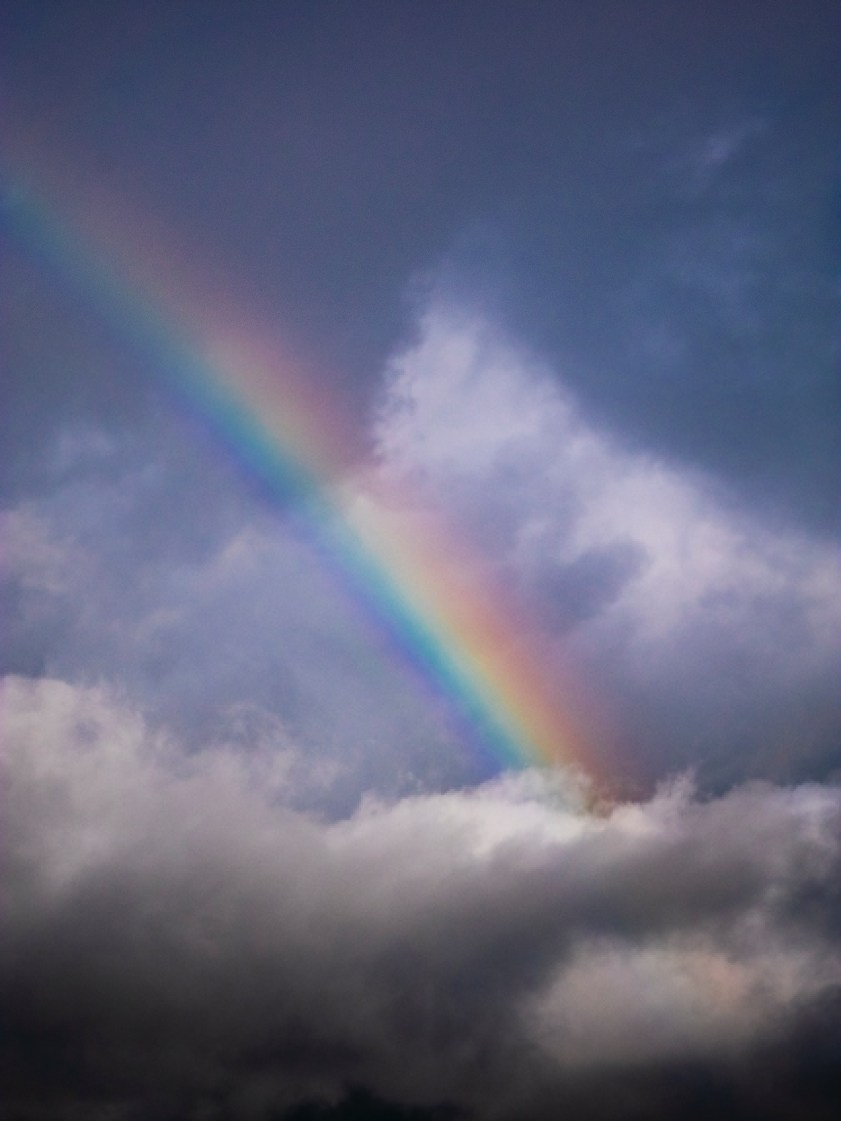
  • The rainbow is not only a reminder of God’s judgment on all the earth. Genesis 9:11-16 tells the actual meaning of a rainbow. “Thus I establish My covenant with you: Never again shall all flesh be cut off by the waters of a flood; never again shall there be a flood to destroy the earth. And God said: This is the sign of the covenant which I make between Me and you, and every living creature that is with you, for perpetual generations: I set My rainbow in the cloud, and it shall be for the sign of the covenant between me and the earth. It shall be, when I bring a cloud over the earth, that the rainbow shall be seen in the cloud; and I will remember My covenant which is between God and every living creature of all flesh that is on the earth.”
A Tribute to my Funky Family

First, what is a “funky family”? The dictionary definitions to “funky” that most closely describe this family are unconventional, eccentric, emotional, and informal.

Let’s learn some more about this interesting family made up of different types of animals that grew up in the wild in less than ideal circumstances, and without much training or supervision, but learned the term resilience through their experiences. Each of these animals had unique personalities and gifts, and were chosen to be placed in this family by their awesome Creator.

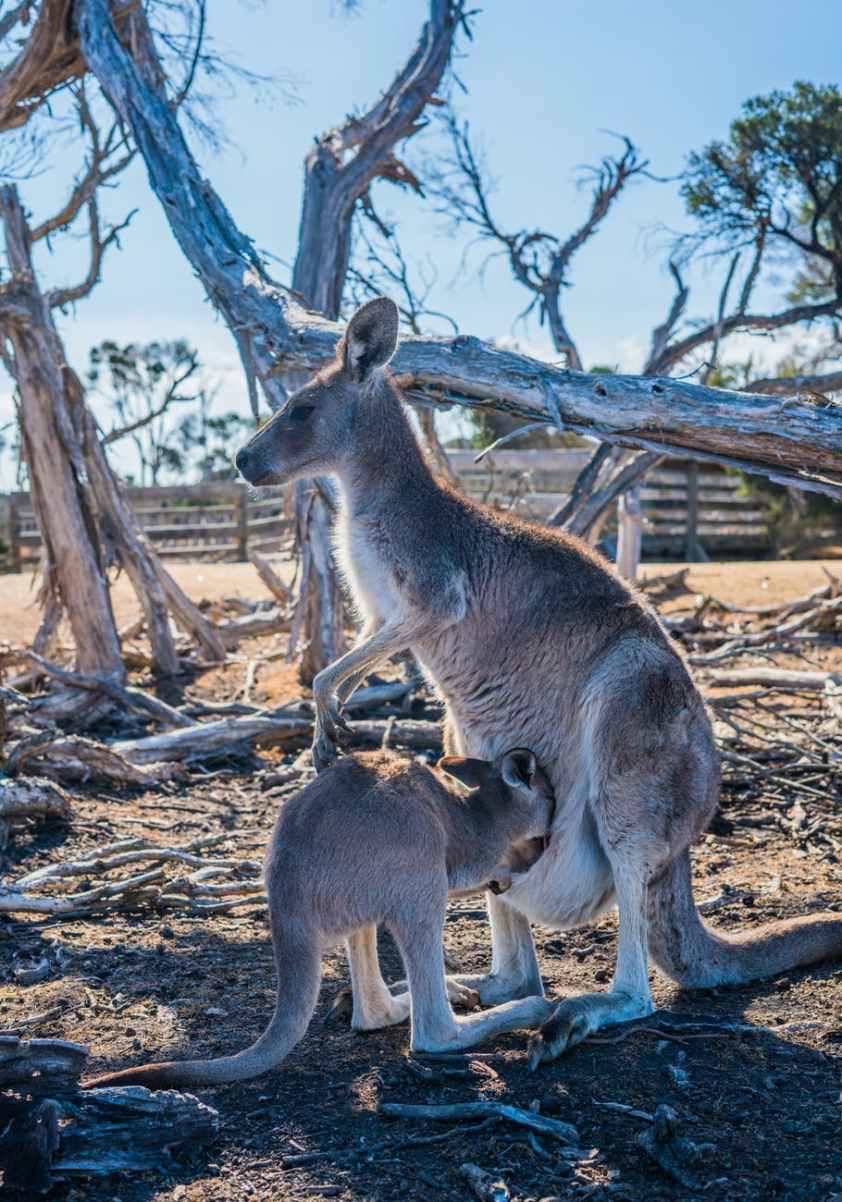
brown kangaroo near tree

Photo by Ethan Brooke on Pexels.com

The firstborn, Kathleen Kangaroo, ended up being the matriarch of the most prolific children. Caring for little ones seemed quite natural for her and for most of her family. [One of her children or grandchildren are always pregnant, and they always have a joey being carried around in their pouch]. Like other kangaroos, she was a good jumper, and even did aerobics up until delivery with one of her little ones. Kathleen was the most docile (submissive, obedient, and easy to get along with), and somewhat quiet and shy when she was young.

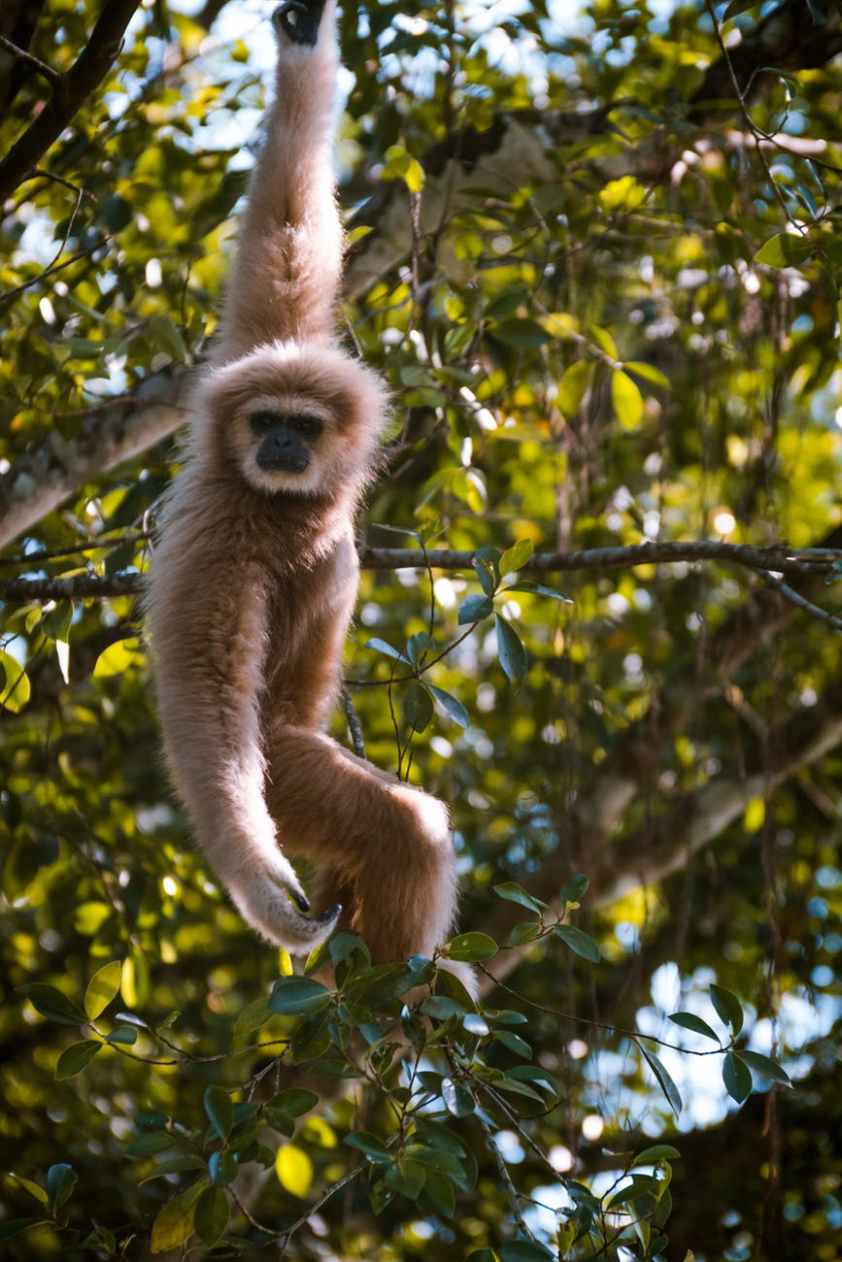
brown and black monkey hanging from a tree

Photo by Ludwig Kwan on Pexels.com

Molly Monkey was the second-born. After her elevator operator experience, she loved going up and down in the trees chattering away, sharing some news, or a joke. She was quite good-natured, a little loud at times, and for a while loved to do hairstyles for the other animals. A monkey’s nose is usually one of their distinguishing features. For Molly, the main time you noticed her nose was when she wasn’t telling the truth.

green bird

Photo by Roshan Kamath on Pexels.com

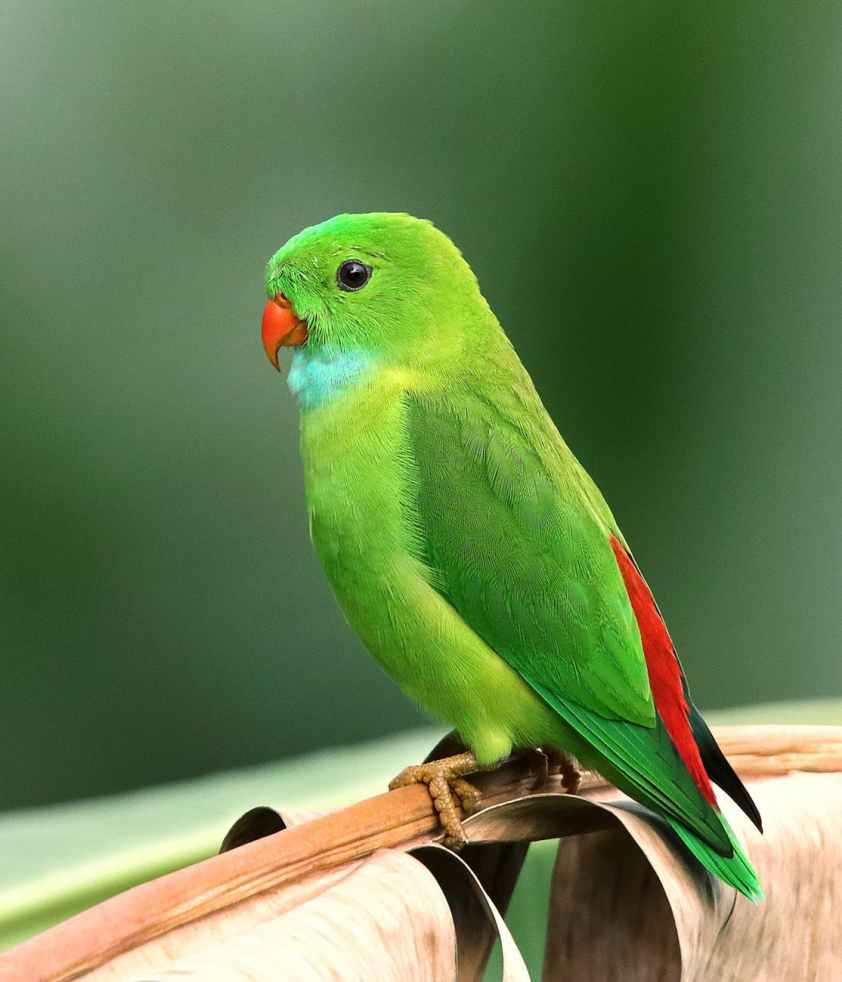
Next, we have Corina Canary. She was a dreamer, a reader, and a fighter. Just like small dogs sometimes have to act more ferocious, she could be quite strong-willed in spirit, in spite of her small physical body and health problems. Whether defending herself or others, she proved herself to be quite strong, and I’ll bet that she is one canary that would stay that way, even if placed in a mine to check the oxygen level (as was the practice years ago).

mika-brandt-UlipBbZpweg-unsplash

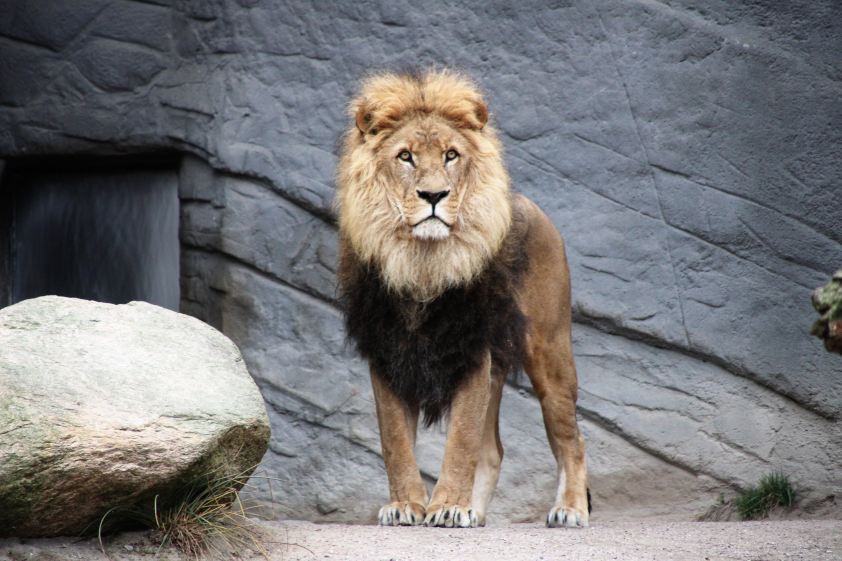
Since Leonard the Lion was the first male born into this family, he was somewhat spoiled by everyone (except his father). He was very intelligent, but not always wise. He claimed that he was King of the Beasts and sometimes bullied the other animals to try and prove it. A male lion is often a loner or a fighter.  Male lions don’t usually live as long as female ones (and he may not either if he doesn’t stop his smoking.) He’s a lot of fun to be around, because he can be hilariously funny with his jokes, his puns, or his crazy antics. He was an aspiring writer; in this pandemic, he’s “essential” as a city bus driver; and he’s also an obsessed golfer (so if you see any lions at the golf course, tell him hello from me).

teddy bear toy

Photo by Marina Shatskih on Pexels.com

Next was Becka Bear. She was sometimes criticized and misunderstood, but she was really quite a tame bear. She generally thought of herself as a Teddy Bear, that just wanted to be loved and hugged, and stand up for the underdog. (However, when she became a mother, like most bears, she could become aggressive if anything got between her and her cubs.) She loved not only being a teacher to her own children, but also a school teacher to other little animals. She traveled the most, and the farthest away from the wild in which she was raised. Although she was mostly a vegetarian healthnut, she did enjoy a good salmon now and then. Their mother once called her a “seeker and thinker” (which seemed quite accurate, and pleased her very much).

leopard on brown log

Photo by Flickr on Pexels.com

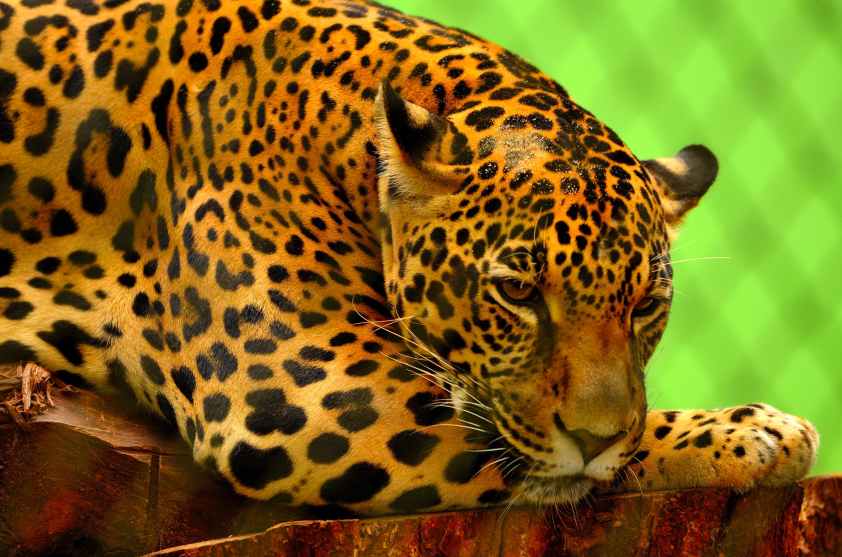
Then, there was Jeremy Jaguar. This wild cat struggled physically and emotionally through much of his life, but through those difficult experiences, he grew stronger, more compassionate, and quite pleasant. All true cats are from the Felidae family, and are very playful. In Latin, the word “felix” means “happy”, and this short and stocky, good-looking cat ended up being a favorite uncle to many of his nieces and nephews, because of his fun personality.

animal branch cute furry

Photo by Natalija Mislevicha on Pexels.com

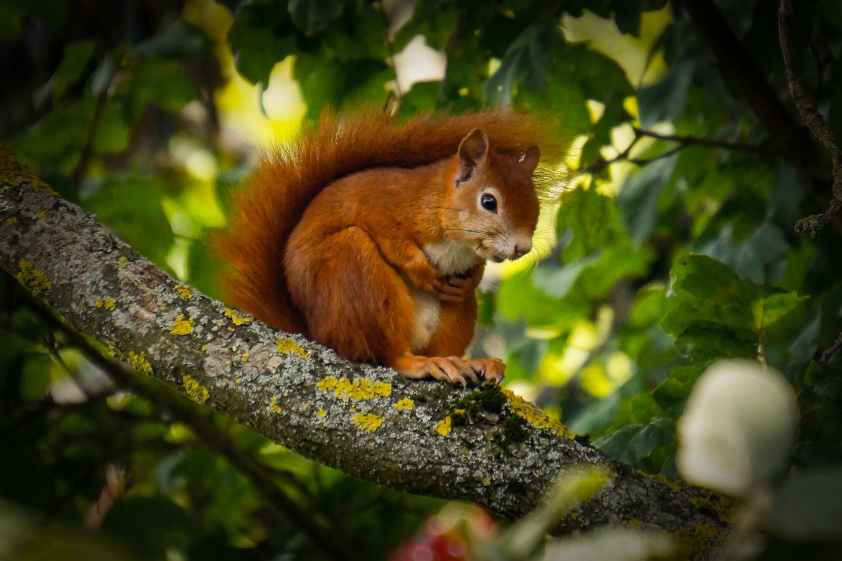
Last, but not least, was Stanley the Squirrel, the “baby” of the family, who had been a little spoiled by the rest of his siblings. His size and shape helped him to climb trees, cliffs, and other things very easily like most squirrels. He was adventurous and daring, a good leader and a good hunter. This outdoor, industrious creature has had a unique variety of jobs and experiences that have helped him mature and recover from some of his early spoiling.

So now, we have covered a bit about each member of this fun, funky, and (dis)functional family. Even though many of them have moved away from where they grew up, they still have a special relationship with each other, because of the common experiences they shared growing up in the wild. This unique group of animals are actually family, and more than family! They are also friends that encourage one another, help one another out when there is a problem or a special need, laugh and cry with one another, agree to disagree, sometimes even argue or get upset with one another, but also forgive one another. When they get together (even when it is only once or twice a year for a couple of them), they quickly get reacquainted, and have a funky, family time.